
Episode 529
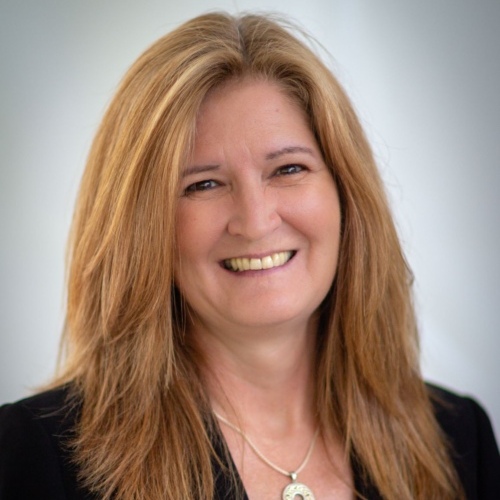
Welcome to another insightful episode of Build a Better Agency! This week, host Drew McLellan is joined by returning guest Nicole Mahoney, an accomplished agency owner and thought leader renowned for her innovative work in collaboration within the travel and tourism space. Drawing on her 15 years of industry expertise, Nicole shares how strategic partnerships have propelled her agency to new heights—even during challenging times like the pandemic.
Together, Drew McLellan and Nicole Mahoney dig deep into the multifaceted nature of agency collaboration, both with competitors and complementary businesses. Nicole reveals insights from her research, podcast, and her newly released book, breaking down the different types of collaborators—the promoters, doubters, and protectors—and why understanding these archetypes is key to building mutually beneficial relationships. They also explore how agencies can be more intentional with partnerships to drive growth, resilience, and innovation.
Expect actionable frameworks, real case studies of cross-agency teamwork, and candid stories about what works (and what doesn’t) when it comes to navigating collaborations—from RFP responses to co-hosting major events. Nicole introduces her proven “3C framework” for successful partnerships and shares how agencies can assess and operationalize collaboration as part of their strategic planning, especially heading into 2026.
If you’re rethinking how to strengthen your agency’s network, improve client offerings, or simply want to learn from real-world examples of effective coopetition, this episode is packed with takeaways. Don’t miss this opportunity to hear fresh perspectives on how working together not only benefits your agency, but helps build a stronger, more connected industry.
A big thank you to our podcast’s presenting sponsor, White Label IQ. They’re an amazing resource for agencies who want to outsource their design, dev, or PPC work at wholesale prices. Check out their special offer (10 free hours!) for podcast listeners here.
What You Will Learn in This Episode:
-
- Building agency growth and resiliency through strategic collaboration
- Understanding the three types of collaborators: promoters, doubters, and protectors
- Operationalizing collaboration as an intentional business strategy
- Keys to effective partnerships: communication, commonality, and commitment
- Creating mutually beneficial relationships even with competitors (coopetition)
- Leveraging collaborations to diversify offerings and better serve clients
- Using partnerships to overcome resource gaps and win larger opportunities
“In today’s world, collaboration isn’t optional — it’s a business imperative. If you stay in your silo, others will pass you by.” - Nicole Mahoney Share on X
Collaboration isn’t just a buzzword. Nicole Mahoney shares how strategic partnerships have helped her agency thrive—even during challenging times. Share on X
Agency growth isn’t about doing it all yourself. Nicole Mahoney explains why partnerships with competitors can lead to bigger wins for everyone. Share on X
How do you create collaborations that truly work? Nicole Mahoney breaks down the essential 3C framework for lasting, mutually beneficial agency partnerships. Share on X
Successful agencies know their strengths—and their limits. Nicole Mahoney discusses how finding the right partner can unlock new opportunities for your business. Share on X
Ways to contact Nicole:
- Email: [email protected]
- Website: https://travelalliancepartnership.com/
- LinkedIn: https://www.linkedin.com/in/nicolemahoney/
Resources:
- Nicole’s Book: Stronger Together
- Resources and Research
- Collaboration Assessment (part of the Collaboration Toolkit)
- BaBA Summit May 18-20, 2026: https://agencymanagementinstitute.com/babasummit/
- Drew’s Book: Sell With Authority
- AMI Facebook Group: https://www.facebook.com/agencymanagementinstitute
- AMI Preferred Partners: https://agencymanagementinstitute.com/ami-preferred-partners/
- Agency Edge Research Series: https://agencymanagementinstitute.com/agency-tools/agency-edge-research-series/
- Upcoming workshops: https://agencymanagementinstitute.com/advertising-agency-training/workshop-calendar/
- Weekly Newsletter: https://agencymanagementinstitute.com/newsletter-sign-up-form/
- Agency Coaching and Consulting: https://agencymanagementinstitute.com/advertising-agency-consulting/agency-coaching-consulting/
Danyel McLellan [00:00:01]:
It doesn’t matter what kind of agency you run, traditional digital media, buying, web dev, PR or brand, whatever your focus, you still need to run a profitable business. The Build a Better Agency podcast presented by White Label iq, will expose you to the best practices that drive growth, client and employee retention and profitability. Bringing his 25 plus years of experience as both an agency owner and agency consultant, please welcome your host, Drew McLellan.
Drew McLellan [00:00:37]:
Hey there everybody. I bet this is not going to be a surprise, but this is Drew McLellen and we are back with another episode of Build a Better Agency. Super grateful that you are back and we’ve got a great show for you. I’m excited to introduce you to our guest. She’s been on the podcast before. She’s an AMI agency owner that I’ve known for, gosh, probably 15 years. And I’ve really watched her build her agency into something remarkable just by being more and more focused in what they do and who they do it for. And they were one of the first agencies because of their niching. Even though they served the travel and tourism industry, which you would think would not have come well out of COVID they were one of the first agencies to bounce back after Covid because they had done such a remarkable job during COVID really serving exactly who their audience was. And what I love about them is that they really know who they are and they don’t shy away from that at all. We’re going to have a great conversation, so I will tell you a little bit more about Nicole in a minute. Before I do that, I want to just remind you that, you know, our presenting sponsor, white label IQ, I think sometimes gets labeled as a WordPress shop. And absolutely they are, they are doing WordPress every single day, but they actually have a depth of a depth and breadth of services to jump in on all kinds of legacy platforms. That’s really a big deal because when a client comes to you with an older system, you don’t want to have to say, sorry, we don’t have anybody who can do that or we can’t touch that. So what I love is that they’ve built teams with deep specialization. So when you bump into some gnarly out of date system, they probably have the right expert on tap and it doesn’t cost you a dime to reach out to them. So whitelabeliq.com ami to ask them if they do have that legacy expertise, you don’t have to scramble to find a freelancer that you’re not familiar with. They already probably have the muscle for it. So this gives you the ability to say yes to a client or a prospect with confidence, even if the technical ask isn’t in your sweet spot or isn’t in anybody’s sweet spot anymore. So it’s one of the really cool things about White Label. And as always, of course, we are grateful that they are the presenting sponsor of this podcast. So they, too, have really figured out how to focus who they are. And the reason I asked Nicole to come on the show is because Nicole has spent a ton of time not only building out her agency, but really exploring the idea of what collaboration looks like, whether that’s collaboration with other agencies, which she’s done a lot of. She’s done some research on this topic. She’s written a book. Her podcast is all about how do we sort of lift each other up? And as you know, a core belief of AMI is that we get better faster when we get better together. We learn and grow deeper and faster when we do it together. And Nicole’s agency is such an example of that. And I think White Label is an example of that too. They come alongside agencies and truly be their partner. And so that’s what I wanted to talk to Nicole today about, was how do we think about this collaboration and cooperation, even amongst competitors, a little differently as we go into 2026? What are some ways, as we do some strategic planning for the year, that we should be thinking about creating new partnerships and new collaborations that benefit our clients and us and our partners. So, without further ado, let’s welcome Nicole to the show. Nicole, welcome to the podcast. Thanks for being with us.
Nicole Mahoney [00:04:07]:
Thanks, Drew. I’m excited to be here. I’m an avid listener, as you know, and a big fan, so always glad to be on it.
Drew McLellan [00:04:14]:
Nice to be on the other side of the mic. Right. And I know you’ve been doing this for a long time on the host side, so it’s always interesting to be a guest.
Nicole Mahoney [00:04:21]:
It is very interesting to be a guest. I got to get that. Got to get the answers ready instead of the questions.
Drew McLellan [00:04:26]:
I know. So tell everybody a little bit about you, the agency, and what prompted you to have sort of this depth of expertise on the whole idea of collaborating with others.
Nicole Mahoney [00:04:39]:
Yeah. So my agency, we started in or I started in 2009, and my big idea then was Facebook was this new thing. I was doing freelance work in my community’s downtown for their business improvement district, talking to a lot of small business owners who were asking me questions like, what is Facebook? How do I advertise? Yellow pages don’t work, the newspaper doesn’t work. You know, what can I do? And so I thought, oh, I’ll start this agency working with small businesses and help them figure out how to use social media. Of course, I didn’t know how to use social media, but just like a good agency owner.
Drew McLellan [00:05:19]:
That’s right.
Nicole Mahoney [00:05:20]:
And it quickly evolved from that’s way too broad of a focus to you really need to niche down into an industry. And the place where I live is a tourist destination. And so a lot of my clients were in what I would call the travel and tourism industry. And one of the things I noticed from working with my clients is the collaboration that was happening. And it almost seemed like it was happening by default and not in a strategic way. And so my interest became, how do we learn how to have better collaborations with others? And how can we kind of take this concept that is somehow naturally happening in the world of travel and tourism? And it naturally happens in travel and tourism because if you think about your own, the, the way that you visit, that you travel, when you go to a place, you don’t just go to one place, except maybe you, you might just go to Disney and not go anywhere else.
Drew McLellan [00:06:24]:
But generally that’s not an all bad plan.
Nicole Mahoney [00:06:27]:
Right, Right. But generally you’re going to a place to experience a lot of different things and you’re not really paying attention to, I’m in this downtown and then I’m in, you know, this lake community, and then I’m in this shopping district or whatever it is. And so all of these places kind of collaborate naturally because of that. And so I wanted to study how did that collaboration work? How do you build successful collaborations and how do you leverage resources so that you can do bigger, so that the sum of the parts is, is bigger than any, you know, one person can do on their own.
Drew McLellan [00:07:01]:
And that resulted in a book and all kinds of other things, right?
Nicole Mahoney [00:07:06]:
Yes. So it started with a podcast.
Drew McLellan [00:07:08]:
Yeah.
Nicole Mahoney [00:07:09]:
And I had this thought that, well, one way to get this information is to interview people in the industry and ask them about collaboration, what makes it work, and, and have them tell me stories about successful collaborations. And then that led to a research study that I did during the pandemic in 2020. Then I wanted to know, how is collaboration going to help our industry of the pandemic? Of course, travel and tourism was hit pretty hard during the pandemic. When you can’t travel, that’s kind of hard to be in that business. And then from there, I had the research, I had this body of work from my podcast, and I started to work on a keynote, which then eventually turned into a book. And that’s really kind of how it all evolved. So you kind of start in one place and then see where it takes you.
Drew McLellan [00:08:01]:
Yeah, well, you. I think one of the strengths you have as a business owner is that you just keep asking more questions, right? You’re sort of wired to be curious about how things work. And I think a lot of your work is really around how do you take what sort of happens by happenstance and make it intentional so it is enhanced and magnified for everybody involved so it feels good at the end, just like you wanted it to at the beginning. Which doesn’t always happen when people say they’re going to collaborate or cooperate. It doesn’t always work out so well when there’s not good intention around it. So I know part of what you do for your clients is help them sort of be thoughtful about how they do it.
Nicole Mahoney [00:08:47]:
Yeah, exactly. This idea of collaboration and partnership, I’ve been noticing lately, especially it’s being amplified not just in my industry, but in many industries. I think people are realizing in the era that we’re in, you know, modern times, that we do need to work together more and more. And I think that people are kind of in a couple of camps. One, they think, you know, oh, we just work together. There’s no strategy behind it. It just happens. It’s just kind of happenstance. Like you. Like you said, other people think that’s going to be really hard because, you know, what I want out of a partnership or a collaboration might be different than what you want. And I’m not sure how we’re supposed to come together if we don’t have the same, you know, goal as to why we’re coming into the partnership. And so I wanted to know. Well, first of all, I see all kinds of people collaborating all the time, and it didn’t. Doesn’t matter which camp they’re in, they still come together and partnerships still work. So it was really about, how do we. How are we just more strategic about our approach to it so that we can be more confident in our ability to be successful or to have the outcome that we’re looking for, even if they’re different outcomes for the two parties that are coming together.
Drew McLellan [00:10:10]:
And I know you identified sort of three sort of core groups of collaborators or types of collaborators, the promoters, the doubters, and the protectors. So tell us a little bit about each of those groups and sort of how they come to the Party in different ways.
Nicole Mahoney [00:10:28]:
Yeah. And this is one of the most fun parts about the research. And I partnered with Susan Bayer at Audience Audit, which I know you partner with all the time. Drew. What I love about her research is, first of all, we start with a question, right? So I wanted to know how collaboration was going to help our industry get out of the pandemic. But then we structure, and you’ve got a couple hypotheses and things, but we structure the questions in such a way that you’re learning the attitudes of the respondents, and then they naturally end up in these buckets.
Drew McLellan [00:10:59]:
Yeah.
Nicole Mahoney [00:11:00]:
And so for us, as you mentioned, it was the promoters, the doubters, and the protectors, and about a third each, really, they were almost even each bucket, which was very interesting. And the other piece that was interesting is even though we have an even representation in these three different buckets, if you will, three different attitudes. 99% of our respondents have collaborated. So that means that all types of people collaborate together and are successful.
Drew McLellan [00:11:30]:
Right?
Nicole Mahoney [00:11:31]:
So the promoters, that’s me. Promoters are people who love collaboration. They’ll collaborate all day long. Sometimes they might jump in with two feet before really doing the homework. They’re just like, sign me up. I’m ready to partner. The doubters are. They kind of are a little bit more hesitant. They’re happy to collaborate, but they think it’s kind of hard. They think the promoters make it out to be a lot more opportunity than it really is, you know, and so they’re just a little bit more reluctant to jump in, but they will collaborate. And then the protectors are also all about collaboration, but they think they have some sort of proprietary system or information or something that they want to kind of keep close to the chest. They’re not willing to put all of their cards on the table, if you will. They have, you know, some elements that they’re protecting. But all three do collaborate together, and all three do report, you know, really strong business results because of their collaborations. So the interesting thing for me is just to understand who you’re collaborating with, because if you understand that, then you can understand kind of where they’re coming from and what’s important to them, and that will make everyone kind of better in the partnership. Instead of thinking, like, you know, geez, Drew, like, he. I can tell he’s holding something back. He’s just not. Like, he’s just not sharing something. You know, maybe Drew’s a little bit of a protector, and instead of me not trusting Drew, I just need to understand, you know, Drew is There something that, you know, you just can’t bring to this partnership, which is fine. We’ll work with the parts that you can bring. So.
Drew McLellan [00:13:07]:
Right.
Nicole Mahoney [00:13:08]:
The more we understand each other, like in anything. Right. The better the relationship will be for any of these.
Drew McLellan [00:13:14]:
Are they sort of reluctant collaborators? Like, I don’t really want to, but I sort of feel like I have to. Or is everybody, do you think, wired to collaborate?
Nicole Mahoney [00:13:25]:
Well, I wouldn’t say that we ask that directly in the research, but I would say the way it comes out is that everyone understands it’s important to collaborate. We did a follow up research study which was looking at the operationalization of collaboration. So, like, how is it operationalized within a business or an organization? Is it part of your strategy? And what we found is more than half said that it was part of their business plan, so it was a strategic initiative. So more than half. So that means, you know, if you have a third, a third, a third of these different attitudes about collaboration, you still have more than 50% that think it’s important enough to have it as a written part of their business plan. So I also just think that the times that we are in require us to collaborate and partner. And I don’t know how you can operate a successful business without some sort of collaboration along the way. And so whether you feel like you’re being forced or not, you know, it’s, it’s a business imperative. And for those who don’t collaborate, I think they’re really going to fall behind if you really stay in your silo and aren’t out there looking for these partnerships and collaborations that other people are going to pass you by.
Drew McLellan [00:14:42]:
Yeah. So even if you think it’s a necessary evil, you understand that it’s necessary.
Nicole Mahoney [00:14:47]:
Mm, absolutely. Mm.
Drew McLellan [00:14:50]:
So in your own experience, because I know you’ve created a lot of collaboration and cooperation among clients and you know, your business model has evolved to sort of be all about sort of bringing people together to recognize, as you said, that the sum is greater than the parts. What do you. And this may not be out of the study, but what do you observe is necessary for a powerful and mutually beneficial collaboration?
Nicole Mahoney [00:15:24]:
Yeah. So there’s a couple of ways that I would answer this. First, I think it’s important that when you’re doing your business planning and you’re thinking about, you know, like right now we’re doing our planning for 2026 and we’re thinking about 2026, we are thinking about the partnerships and the collaborations that are going to help us move our business forward next year and to be more strategic and thoughtful about it, whether you know who they are or not, or you just know where you might need the partnership or the collaboration, what.
Drew McLellan [00:15:55]:
Kind of partner you might need, even if you don’t know who it is you mean?
Nicole Mahoney [00:15:59]:
Correct. Exactly.
Drew McLellan [00:16:01]:
Yeah.
Nicole Mahoney [00:16:01]:
You know, and here, here’s an example for so for the agency side of my business, not for what I, what I do with the clients, but I have several collaborations that I, that I do as an agency owner. First of all, I collaborate with other agencies all the time on RFP responses and, you know, client work. Basically winning client work together.
Drew McLellan [00:16:22]:
Right.
Nicole Mahoney [00:16:23]:
Sometimes we are the lead, we’re the primary contractor, sometimes we’re the subcontractor. One of the things we’re thinking about for next year is who has some of the larger accounts within, you know, within our area and where might we be able to come in as a subcontractor, who can we be more strategic about reaching out to to partner with them? Because we or we offer something that they don’t offer. So we don’t have to be that full service agency and we don’t have to offer every single service that we offer, but we can partner with somebody and bring an expertise to them. So that’s one way that we’re thinking about it. Another way we are thinking about it is we are in the process of planning to do a live event for our community. And along the way, I’ve met folks who have the same passion for the community, the tour, travel and tourism community that we do. And so we’re talking about, rather than doing this live event on our own, let’s create this together, you know, and let’s make it more of a collaboration, more of a strategic approach. And the benefit of doing it that way is I don’t have to take all the risk all by myself. We can, you know, share our reach, we can share our resources, et cetera. And so I think the more strategic you can be about what are your business goals and where can collaboration and partnership help you achieve those? Is the first step. And then what we’ve done is through the podcast, through the research, and in my book, we’ve identified what I call the 3C framework for collaboration, which is how you set up a successful collaboration. I’ll tell you about the three Cs, and then I’ll tell you a story about how we didn’t follow our own 3C framework and a collaboration and what happened as a result. So the three Cs are communication. You’ve got to you know, be able to communicate what’s important to you, the goals that you’re looking for, you know, the vision you have for the project, whatever it is. And that all has to be out on the table. And if you’re a protector, you even need to communicate, listen, I’m willing to do all of this, but I’m not bringing this piece with me to the table because this is like, you know, our secret sauce. And we’re not bringing this to the collaboration. So there’s the communication. Then the second C is commonality. And the commonality has to do with finding where you have a common goal or vision. You don’t have to have the same goal, but where do they intersect? Right. So you’ve got to find that commonality that both of you can get around and get excited about. And then the third is commitment. And I personally think the commitment, the third is the most important piece because if you’re not committed, as soon as there’s, you know, a fork in the road, you might just drop it, walk away.
Drew McLellan [00:19:27]:
It’s too much work, nevermind.
Nicole Mahoney [00:19:29]:
Right, yep, exactly. But if you’re committed, then you’re committed to the collaboration, to the partnership, to working through any roadblocks that come up. And you will succeed because you’ll make sure you are, because you’re, you’re committed to it.
Drew McLellan [00:19:41]:
Well, and also when you say that, I think about like, you know, school projects and we’ve all, most agency owners were the kid on the school project that ended up doing 80% of the work because everybody else was on the, on the team, but didn’t really have the commitment to do their part. And so I think you can do a lot of damage in a collaboration where you don’t have, and you don’t honor the commitments you make because now, you know, now you’ve sort of poisoned the pool.
Nicole Mahoney [00:20:09]:
Right, right. Or I mean, that’s a good example. Or someone else in the collaboration is picking up those pieces or doing more of the work and then it just doesn’t feel, yeah, it doesn’t feel as fair and equal. And what we found too is collaborations don’t have to be exactly equal either. It’s just you have to, in the beginning, set up. This is what I’m going to do, this is what you’re going to do. Somebody could do 75% of the work and somebody’s only doing 25%. But we understand that up front, right? This is the role I have, this is the role you have, and this is how we’re going to Work together. So that’s part of the communication, too, is understanding the roles and the expectations, and then the commitment is committing to those roles and expectations. Absolutely.
Drew McLellan [00:20:49]:
And so even even though you created the framework, it sounds like perhaps it doesn’t always play out the way you. The way you intellectually think it’s going to.
Nicole Mahoney [00:20:59]:
Right? Yeah, exactly. Well, here’s an example. Over the summer, there’s a big travel conference in Chicago, and a friend of mine who owns a data company who serves the travel and tourism industry, he came to me and he said, hey, do you want to go in on hosting a evening event in Chicago with me at the end? At the Sky Tower. Right, The Sky Tower, 99th floor of the old Sears Tower, I think is. Is where it was, the Sky Deck. And I was like, wow, I. I mean, my agency couldn’t afford to do that on their own. Right. And he. So he goes, I’m going to put together some partners. We can all put in, you know, some money, and we’ll share our lists and we’ll do the invitations together. And all this sounds great. Well, we just said yes, because I’m a promoter. I’m like, sure, count me in.
Drew McLellan [00:21:49]:
Great, great. I’ll ask for the details later.
Nicole Mahoney [00:21:51]:
Right. We never followed the framework. We didn’t really talk through who was doing what. We didn’t talk about, like, exactly how we were doing the invitations. And so it all came together. We had these, you know, calls. There were four partners all together. We had these ongoing calls, but we never really clarified all the roles and the expectations. In the end, the event came out beautifully. We had a couple hundred people. It was this beautiful event, but it was a little bumpy getting there. And there was one point where I had to sit back with one of my team members, and we were both looking at each other going, we didn’t follow our own steps here. You know, we’re stepping on each other’s toes. It had to do with how we were sending invitations out and what the invitation said and who was tracking what. And yeah, it was a little bumpy to the point that one of the partners invited the wrong type of people and literally uninvited them. Like, invited other agencies who were not contributing to this party instead of just client prospects. And that partner had to uninvite a bunch of people, which is very uncomfortable. And I thought, yeah, we should have followed our own process. So there. Even though it came out great in the end, making it more successful would have made it, you know, more smooth. If we did the communication, make sure you know, made sure that we found our commonality and our commitment and all of those things lined up in the beginning. It would have been a much smoother process.
Drew McLellan [00:23:23]:
Lessons learned. Lessons learned. I want to ask you a little bit more about some of the observations you have around agency collaborations, but let’s first take a really quick break and then we’ll come back. And I know you collaborate with agencies all the time and plus you’re a big part of the AMI community, so you see other agencies collaborating. So I, I want to make sure we give the listeners some examples that they can go, oh yeah, I could do that. So let’s take a quick break and then we’ll come back and dig into that. Are you tired of juggling multiple tools to manage your agency? Meet Dell Tech Workbook, the all in one solution for marketing and communications agencies. Streamline your projects, resources and finances all in one place. With real time dashboards and reporting, you’ll have full project visibility. You can plan team capacity weeks ahead to avoid bottlenecks and keep your budgets on track to maximize profitability. It’s perfect for both agencies and in house marketing teams looking to work more efficiently. PCI is a certified Deltec partner offering expert implementation and support to ensure your success. If you’re ready to transform your operations, visit PCI US Podcast for a free consultation today. Hey everybody. Just want to remind you before we get back to the show that we have a very engaged Facebook group. It’s a private group just for podcast listeners and agency owners that are in the AMI community. And to find it, if you’re not a member, head over to facebook.com groups. So again, facebook.com groups bab podcast. All you have to do is answer a few questions to make sure that you are an actual agency owner or leader and we will let you right in. And you can join over 1700 other agency owners and leaders. And I’m telling you there’s probably 10 or 15 conversations that are started every day that are going to be of value to you. So come join us. All right, we are back with Nicole Mahoney and we are talking about the whole idea of collaborating. It makes me think of Pam’s book the Widest Net, which the whole concept of that book is how do you create this network of really co collaborators that will help you promote your business and serve your clients better and vice versa, that you can add value to those relationships as well. And so this is a concept that I think is to your point and I know you often quote the McKinsey study from what, 2024. Right. That talks about collaboration. So was it 2024 or 2020?
Nicole Mahoney [00:26:05]:
It was 2024. And specifically that particular study identified coopetition as an imperative for solving our world’s challenges, which I was super excited to see them say that because you use.
Drew McLellan [00:26:19]:
That word all the time.
Nicole Mahoney [00:26:20]:
Yes, exactly. Coopetition, to me, is when competitors, perceived competitors come together to collaborate or cooperate so that they can build something bigger together than they can on their own. And I’ve got the quote right here, actually, from that report. It says, cooperation is multifaceted and can coexist with competition. Leaders can practice coopetition, balancing cooperation and competition to advance shared interests in specific areas despite lack of alignment elsewhere. And of course, this report was talking about world economists and the world economy and how, you know, countries really can come together and collaborate.
Drew McLellan [00:27:04]:
Yeah, we could use a little more of that right now.
Nicole Mahoney [00:27:06]:
Yeah, we’re not going to talk so much about that. But we. But it’s true. We. You know, you have to. For any challenge, really, you need to put more than one head together. You got to put two heads and even more together to solve them. Yeah. So I love coopetition, and I think especially in our industry, it used to be, and I don’t know, because I’ve been in this industry only since 2009, but I think it used to be a lot more cutthroat. And maybe there’s certain areas where it might still feel like it’s very cutthroat. But the approach that I’ve taken with my own competitors in my own local market, regional market, national, wherever I’m competing, is that there’s plenty out there for all of us. And I really don’t have any problems sharing openly about what I’m seeing, what I’m learning or saying, hey, let’s just partner on this proposal or whatever it is, this event, the event that we hosted, you know, in Chicago.
Drew McLellan [00:28:08]:
Well, I, you know, I think you’re right. I do think it used to be you. Well, it used to be. Think about it. Unless you were a big New York agency, you were a local agency, and so your clients were all within a certain geography. And so the other five agencies that were in your market were your direct competition, and people were super competitive about it. Now, you know, thanks to the global economy and all of that, everybody’s your competition. Well, you can’t possibly guard your answers from everyone. And to your point, Danielle always uses the phrase, there’s enough blue sky for everybody, that there’s opportunity for everyone. And as you know, at ami, one of our core beliefs is we learn better and faster when we learn together. And I really do genuinely believe that. And I think your work is proof of that. So let’s talk a little bit about whether it’s your own agency or other agencies, you know, in your peer group or in the AMI community that you’ve seen. Talk a little bit about some of the collaborative projects that you’ve observed. And I’ve got a couple of that I want to run by you too, but that you’ve observed in the agency community to get listeners thinking like, oh, I do know somebody who I could do that with or I could, you know, there is a competitor that I would or, or again, an adjacent business. We serve the same audience, we’re not competitors, but we could collaborate together and do something bigger and better for that audience.
Nicole Mahoney [00:29:35]:
Yeah. Oh, I have several. But one example I think I’ll share first is as it relates to responding to RFPs. And as we, in my industry, we have to do a lot of RFP responses, as painful as it is, and this has been a frustrating RFP year for me. But if we don’t respond to RFPs, we won’t get the business in this, in the sector we’re going after. So three and a half years ago, an RFP came out from I love New York, the New York State Tourism office. And we were a great fit for it, I thought as well as did a lot of stakeholders in New York State who wanted to make sure I saw this RFP and that we were responding. I have a friend who owns an agency, not exactly the same as mine, but works in this, in the particular sector of tourism, the travel trade, more the like B2B side of tourism. And I knew she was a good fit for it. So rather than us each doing a proposal separately, we teamed up. We both kind of caught up with each other at a conference where, the same conference where all of these people were saying, did you see it? Did you see it? They were also asking her, did you see the rfp? Make sure that you responded. And we decided we would be better and have a stronger response if we did it together. And it was quite, it’s quite a large contract. It was a three year contract. It’s coming to an end here in October, although we’re already working on a renewal. And I don’t know if we would have won it if we didn’t actually come together and put a stronger proposal together than we could have individually provided. And so that was the single biggest contract we’ve ever won. And it’s a really good brand to say that is in your client portfolio. So it’s been really, really good for us. In the beginning, it was figuring out the account teams. How does, you know, how does their team work with our team? What are the shared systems? They don’t use the same project management system that we use. But it doesn’t matter because they’re billing, they bill us, we bill the client. So just kind of working through all of those. Logistics.
Drew McLellan [00:31:52]:
Logistics, yeah, yeah.
Nicole Mahoney [00:31:54]:
But the client sees us as one team. And, you know, we have client meetings. Their team is depending on the meeting, but their team would be right there on the call with us when we’re doing trade show activations for them. Their teams there right with us. It’s very seamless. They don’t, you know, there’s no real delineation like, oh, you work for this company and you work for that company.
Drew McLellan [00:32:17]:
Well, and we hear that from clients. Is that what they don’t want to do is they don’t want to have to be the referee. Right. If two agencies are going to come together and collaborate, whether the agencies put themselves together or the client puts the agencies together, they actually do want them to cooperate as opposed to throwing each other under the bus or having to sort of dispute squabbles and things like that. And so you guys choosing to come together and sort of figuring out on the back end how it was all going to work so that for the client, it’s frictionless, I think, is critical to that working out.
Nicole Mahoney [00:32:52]:
Well, yeah, absolutely. Another way we’ve used partnership and collaboration with other agencies is as a way to diversify our team. And this kind of came out of 2020 as well, of course, when there was the whole focus on social unrest and everything that came out of 2020. And we were kind of doing some self reflection, you know, around DEI on our company. And at the time, we weren’t hiring because it was 2020.
Drew McLellan [00:33:23]:
Right.
Nicole Mahoney [00:33:23]:
And we were trying to figure out, how are we going to be a more diverse team when we don’t. We’re all white women. At the time, we were. And we decided, we were very intentional, we decided to find other agencies we could partner with that would bring diversity to our team. And ultimately, because we had built these relationships and we brought these diverse agencies in on proposals that weren’t DEI proposals, like, we weren’t just using them on the proposals that needed the diverse team because it was, you know, targeting the black traveler or the LGBTQ population or whatever the campaign might have been. We wanted to have them on our bench. We wanted to have the relationship so that if those opportunities came, we’d already have them in, you know, in our family, so to speak. And that’s exactly what happened. So we. We had partnered with an agency, an African American woman owned a local agency, and we brought her in on some projects that were unrelated to DEI because we didn’t want to have diversity, just, you know, just say just because. But then we had a really great opportunity come our way that needed the diversity and that needed. That was aimed at black travelers, and we had the perfect partner for it. We had case studies already together. We could, you know, show that we’d already been working together and that helped position us to get some new business that we might not have otherwise gotten.
Drew McLellan [00:34:51]:
That’s a great point, is like sometimes looking at where you have a weakness or an absence of a skill set and sort of preemptively filling that need so that you are a more robust offer even before somebody’s asked.
Nicole Mahoney [00:35:10]:
Right, exactly.
Drew McLellan [00:35:13]:
We had a couple agencies that basically served the same clients, same types of clients. They were both e commerce agencies and they wanted to do some research, but neither of them kind of like your Chicago event, neither of them were in a position to afford the research on their own. And so they co collaborated on the research, they chipped in on it together, they constructed the tool together with the research partner, and then they both released the data together. And it served both of their agencies really well. But that’s a great example of you literally let the fox into the hen house and you just had to agree that you guys were going to treat each other kindly and well, and it worked out great for them. So even when somebody’s a direct competitor, there is opportunity for collaboration.
Nicole Mahoney [00:36:04]:
Absolutely. And another place where this kind of comes in is there is another AMI agency here in my market, shout out to Michelle. And we’ve been in RFPs together against each other.
Drew McLellan [00:36:17]:
Sure.
Nicole Mahoney [00:36:19]:
But Michelle will text me and she’s like, have you heard anything on this rfp? She knows that I was in on it too. And I freely tell her what I know, she freely tells me what she knows. And we’re comparing notes.
Drew McLellan [00:36:31]:
Right.
Nicole Mahoney [00:36:31]:
Which that’s pretty cool too, because a lot of times, especially when you’re in this RFP world, you’re putting your proposal in, if you’re a finalist, you might have more information because now you’re a finalist, so you at least know what the next step is. If you’re not a finalist, sometimes you’re just sitting there waiting, wondering in the dark, like, where are they? Because they’re not really giving you any information. Right? Yeah. And then if you’re a finalist and you don’t win, you get different kinds of feedback than if you were just in the pool and weren’t invited, you know, for the final interview. So just kind of sharing notes like that back and forth. And you know, Michelle and I will text about stuff like that all the time. And I think when I first started my agency I wouldn’t have texted Michelle, but now it’s like, like I said, like we were saying earlier, it’s, it gives us more knowledge to what the clients are looking for, to where we stand, to how we can improve. Like we can get so much more by being open and sharing openly than, you know, trying to guard what little information we do have.
Drew McLellan [00:37:37]:
Well, and I think too it’s also just a maturity of recognizing you’re probably not the right agency for everybody. And so, you know, assuming that you both did put your best foot forward, the right agency will win that opportunity. And it might not be your turn or it might not be your fit, but it doesn’t mean you can’t cooperate together and be respectful of that. Each of you bring something meaningful to the party. And you know, again, it’s also, you’re going to bump into each other all the time, both locally and at industry events. And so why wouldn’t you want to have a friendly relationship as opposed to a, you know, super competitive, you know, I darts at each other kind of relationship? Like, it just doesn’t absolutely make sense.
Nicole Mahoney [00:38:22]:
Yeah, yeah, exactly.
Drew McLellan [00:38:24]:
We had another agency, we had two agencies. They were in the, in a peer group together and one did really high end web work and the other one did specialized in like ag and outdoor living kind of things. And they actually created an LLC together to go after a specific subset of work that they both could serve that audience. And so I mean that you talk about going to a collaboration, I mean, they actually created a legal entity together so that they could chase work as, as that entity. So one step further than just sort of co responding to an rfp. So we’ve seen a lot of collaboration. We also see a lot of people who are, you know, oh, you’re a PR agency while you’re an SEO agency. I have a client that needs both. I don’t really want to add SEO to my list of services internally, but if I can find somebody that I can trust my client with that I know does a good job. Well now, number one, and most important, I’m taking care of the client better. And number two, if I have to be in the sandbox with other agencies, I sure as heck would like to be in them with agencies that I know and trust as opposed to somebody I’ve never met before.
Nicole Mahoney [00:39:41]:
Right, Absolutely. And to that point, Drew, a lot of times, although we have collaborations with non AMI agencies who I try to just get them to join ami, but of course, but, but there is something about that. Like we’ll meet agency owners who either in AMI or maybe they do traction like we do traction. We know we speak the same language.
Drew McLellan [00:40:03]:
Yeah.
Nicole Mahoney [00:40:04]:
And so we’re like a better fit. We know we have a better comfort level, that we will be better fit because we speak the same language, we kind of, you know, believe in the same philosophies, et cetera. So that is, that is definitely an important aspect of, you know, of partnership. And then the other thing I will add to that is we get asked to collaborate a lot because people know we are open to collaboration. And so generally when collaborate, when you start collaborating, more opportunities will start coming your way because people will see that that’s what you do and they’ll start to come to you and ask you. And not every collaboration is the right fit either. But having opportunities come your way and being able to find the ones that are the right fit are a lot better than just, you know, sitting around wondering, who am I going to partner with? How is this going to work? And so, yeah, so once you start collaborating, it really started with another AMI agency that I’d met through the network and he had heard my podcast and he knew I worked in travel and tourism and they needed a PR partner on an rfp and so they reached out to me. I’d never met him and, you know, met him in person. It was all on Zoom. And we’ve been collaborating now for, I don’t know, five or six years with this one agency that came from the AMI network.
Drew McLellan [00:41:26]:
So you’re a self declared promoter of the three types of collaborators. So, so you’re an eager, an eager collaborator. I think that’s just part of kind of how you’re wired. So how do you, as someone who’s ready to jump in and I suspect sometimes leaps before you look. How do you, like, what do you look for? What are signs for you that a collaboration is going to be good for everybody involved, but certainly for your own business. Like, what are some things you. Even as eager as you are, because like you said, not all collaborations are good ones. And you don’t say yes to everybody. How do you vet them?
Nicole Mahoney [00:42:04]:
Well, alignment is important. So that’s a little bit what I was just talking about, alignment on values. We do, actually we’ve been pointing this out in our RFP responses lately. The partners that we’re bringing to the table are very aligned on our values. Sometimes we might even use the same words and we pull that. So that’s one way. But also knowing that you belong to the same network or that you run your business similarly. For me, we’re very process driven, strategic driven company. I know there are agencies out there who might be more seat of the pants. Maybe not as process driven. I don’t know if you’ve ever met any of those. Drew. I have someone who’s like, that really isn’t the best collaborator for us because we’re. My team is very, they’re. They’re rule followers. They like process, they like, you know, not that we go in a straight line, but they like to check, to check things off, et cetera. So making sure that there’s a cultural fit is I think really important. And then it’s really going through that 3C framework. We developed our own sweet spot filter on, you know, kind of using the sweet spot filter that you have for Right Fit clients. We created one for Right Fit collaborators.
Drew McLellan [00:43:20]:
Oh, great.
Nicole Mahoney [00:43:21]:
And we kind of go through that and there’s a number of different things that’s. It’s on the resources page of our website if anybody wants to download it. We also have, I just mentioned resources. We also have in that resource section an assessment, an operational assessment based on the research where you can go through and see where there are areas where you might use collaboration or be more strategic about how you used collaboration. Just to kind of give you some thoughts on the areas of your business where you could. Collaboration could benefit you. But yeah, I think primarily it’s culture fit. And then does the project or what it is that we’re being asked to do fit within our own company’s mission. The work that we do. If we were asked to collaborate on a project that’s not in travel and tourism, that won’t work for us. We really stay in our lane. We’ve been asked to do things outside of our lane and I’m pretty hard and fast about no, we stay in our lane. So things like that.
Drew McLellan [00:44:25]:
If somebody is, if someone is listening and they’re thinking, boy, I have not, I’ve not done a good job of thinking about this. Or maybe I’ve been a little close minded about this idea of collaborating again with either, you know, sort of adjacent partners or other agencies, how would you suggest someone begin to explore the opportunities? It sounds like maybe some of the resources that you have available would be a good place to start.
Nicole Mahoney [00:44:54]:
I think the resources will be a good place to get you thinking, especially the operational assessment, because we go into all different aspects of your business. It’s not just the client side. It’s, you know, is it, is it operational? Like there might be something operationally where collaboration might work? For me, it’s just conversations. You’re out there, you know, in the industry, whether you’re at your clients industry conferences and trade shows or you’re at, you know, Baba Build a Better Agency Summit or at your local, you know, American Marketing association meeting, whatever it is, that’s really where I find them. I end up in conversations with people. Like I mentioned this live event that we’ve had in our vision for our company since 2020. We said, we want to do a live event someday. And this year I said, well, if we’re going to do a live event, we have to actually write a plan because we don’t have a vision for it. It’s never going to happen. It’s just going to be this live event. We just keep kicking it down the road. So as I started to work on that, there’s somebody at the New York State Tourism conference who I know, and we were talking and he started talking about, you know, what we need is we need a conference that’s targeted to smaller destinations. And he just started talking, I’ve got this idea. And I said, well, that’s interesting because I have a similar idea. Do you want to talk more about that? And that’s just kind of how it happens, right? You end up in conversations with people and you go, you have to know what you’re looking for. So I guess I go back to the strategy. If I didn’t have live event as something in our strategic plan to do in the future, maybe he would have brought that up and it wouldn’t have sparked an idea of a partnership for me because it wasn’t in my, in my vision to, to begin with. But if you, if you know what your goals are and you, you’re looking at what you want to accomplish in your business and you get in these conversations, you will find opportunities, I believe.
Drew McLellan [00:46:53]:
Well, I, I, I suspect for everybody listening, there are opportunities in front of them now just whether or not they recognize it and kind of pick up the ball and run with it. So, you know, whether it’s a simple partnership. Or, you know, it could start out as some as simple as, you know, having having a competitor on your podcast or, you know, doing something like that. I mean, it doesn’t, it also doesn’t have to be some huge multimillion dollar co collaborative project. It could be something super small to kind of get your toe in the water too.
Nicole Mahoney [00:47:27]:
Absolutely. And that’s, that’s a great point. I’ve had lots of competitors on my podcast and at one point someone’s marketing person had booked him on my show. And then a couple weeks before the show, so he must have been looking at it, he realized I owned an agency and he was an agency owner from Canada. And he emailed me and said, oh, I’m so sorry, I didn’t realize, you know, my marketing director booked me on the show. If you don’t want me on, I completely understand. I said, no, I do want you on. Absolutely.
Drew McLellan [00:48:00]:
Yeah. I think some of it comes from just having confidence in what you do and how you do it enough that you know that there’s. Even if you’re surrounded by competitors, you’re, you’re going to win as often as you lose and you’re going to shine in the places where you’re supposed to shine. And, you know, I think it’s about being just open to possibilities.
Nicole Mahoney [00:48:20]:
Absolutely. It’s a mindset, right? It’s definitely a mindset. This whole idea, especially of coopetition in particular, collaboration is one thing. Collaboration, partnership, people, you know, like I said, I’m here. I hear that a lot. But this idea of coopetition, which is keeping your, your mind open to all types of collaborations, not just, yeah, ones that like pushing yourself outside of your comfort zone, you know.
Drew McLellan [00:48:45]:
Yeah, yeah, it’s good stuff. This has been a great conversation. If folks want to find those resources, if they want to listen to the podcast, find the book, all the other resources and all the tools. If they want to read more about the research that you’ve done, what’s the best way for them to tap into all of that? Nicole?
Nicole Mahoney [00:49:03]:
Absolutely. Well, our website, travelalliancepartnership.com we have a resources tab and there is a collaboration in the dropdown. You can click right on Collaboration resources and you’ll find a whole landing page with all kinds of information there. You’ll find my book on that website as well. I love to connect to people on LinkedIn so you can look me up on LinkedIn at nicolemhoney and always open to collaborations. So if you want to send me an email. It’s Nicole Mahoneyapintotravel.com awesome.
Drew McLellan [00:49:37]:
This has been great. Thanks for being on the show.
Nicole Mahoney [00:49:40]:
Thanks so much, Drew. This is fun.
Drew McLellan [00:49:42]:
All right, so here’s homework, kids. Think of someone you could partner with Again, it could be a peanut butter jelly thing. Like, they’re not exactly who you are, but you serve the same audience. It could be if you want to really go bold and go after it. And maybe it’s another agency that does what you do, but think of one person or one entity where together, like Nicole said earlier in the show, the sum of your parts could be really greater than either of you could do together. And just be the one to reach out. And it could be as simple as, I would like to learn more about what you do. We serve the same audience. I’d love to learn more about what you do, because I might be able to refer some folks to you, or there may be some ways for us to partner and just have that zoom meeting, have that coffee, have that conversation, and see where it leads. And then I do believe it’s like the snowball at the top of the mountain once you start to do this. And like Nicole said, once other people see you doing it, more opportunities will present themselves. So that’s homework for you, is think about one person that you could reach out to that may be a great collaborator or partner for you and a way for you to really delight your clients at a different level. So that’s. That’s your homework for this. So. All right, want to make sure I do two more things before I let you go. Number one, I want to thank our friends at White Label iq. They are the presenting sponsor of the podcast. So they actually are an AMI agency that had a problem. They had a client that needed, like 10 websites at once, and they didn’t have the staff to do it on the timeline. And so they went scrambling around trying to find a partner, couldn’t find a partner, and decided to create a sister agency that became their partner. And so now today, they serve agencies all over the world doing white label design. Dev and ppc. Talk about collaborators. They’re a great one. They work with lots of AMI agencies, so check them out@White LabelIQ.com and of course, last but not least, actually, probably most important, I am super grateful that you hang out with me every week. I get to have these kind of fun conversations. I learn a little every time I know you learn a little makes us all better. So in some ways, we’re collaborating as well, which I love. So I’ll come back next week to collaborate with you, and I hope you will show up as well. All right, see you then.
Nicole Mahoney [00:52:03]:
Come back next week for another episode designed to help you build a stronger, more stable and sustainable agency. Check out our workshops, coaching and consulting packages and other professional development [email protected].